Introduction
While progress toward gender equality has brought many positive changes, it has also introduced new challenges for young men in developing a strong and healthy sense of identity.
We are launching a series on biblical manhood to explore important questions such as:
- What does a Man of God look like?
- What qualities define a Man of God?
- Who should we strive to become as we mature?
Challenges faced by Timothy
As the pastor of the Ephesian church, Timothy found himself in one of the most difficult seasons of his life.
The pervasive influence of Artemis worship led to the rise of false teachings. These doctrines, spread by misguided teachers, were drawing people away from the truth of the gospel.
At the same time, the Apostle Paul—Timothy’s mentor—was imprisoned and awaiting execution under Roman authority.
Paul's Message to Timothy
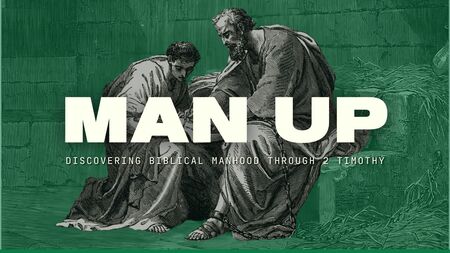
2 Timothy is a deeply personal letter, written by Paul from a dark Roman prison cell to his spiritual son, Timothy.
In the third chapter, Paul gives Timothy a vital reminder: “You, however, have followed my teaching” (3:10).
Paul’s words weren’t just abstract doctrines—they were grounded in a life of integrity and marked by suffering (3:10–11).
Paul urged Timothy to continue in what he had learned and firmly believed (3:14).
Timothy was able to persevere because he had been shaped by Paul’s example. The key to enduring challenges was not just knowledge, but imitation—following Paul’s model of faithfulness in hardship.
Mentoring Challenge
At life’s crossroads, we often long for a guiding voice — someone who inspires, leads, and walks beside us through the storms.
Just as Timothy was deeply shaped by Paul, have you ever asked God to bring a Paul into your life—someone to look up to and learn from?
And just as God used Paul to influence Timothy, have you considered becoming a Paul for someone younger—investing in their journey, faith, and future?
We are who we are because of those
who invested their lives in ours.